Motor vehicle insurance: Why premiums are rising
Motor vehicle insurance is getting more expensive. Four facts show what is driving premiums and how policyholders can influence their costs.
After years of falling or stable premiums, the trend has reversed: Since 2023, many insurers have been raising their motor vehicle insurance rates. How much an individual policy is affected depends on the offer chosen, the vehicle and the individual risk.
Repairs are becoming more expensive and more time-consuming
Repairs are becoming more expensive and more time-consuming
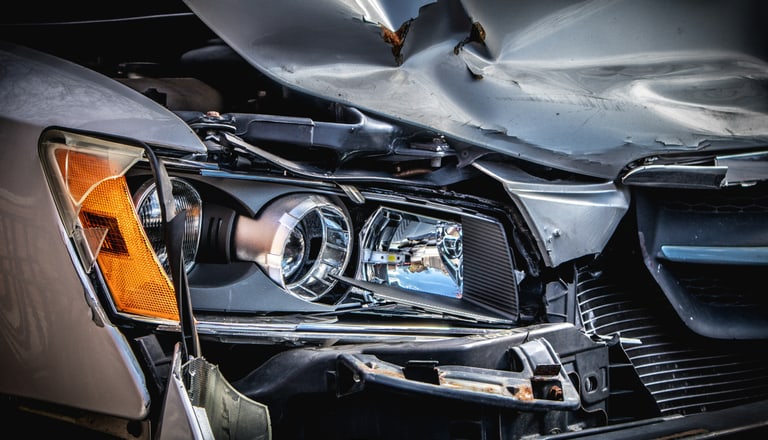
The most important driver is claims inflation: spare parts, materials, and labor and workshop costs
have become significantly more expensive. At the same time, vehicles are becoming more technically complex. Sensors, cameras, and driver-assistance systems must be checked after damage and recalibrated if necessary. With electric vehicles, complex diagnostics, specialized equipment, and high-voltage qualified personnel can further drive up repair costs. Longer delivery times for spare parts and higher rental car costs also increase claims expenses.What matters are the frequency and the extent of the damage.
What matters are the frequency and the extent of the damage.
The expected claims cost is crucial for setting premiums: How often do claims occur—and how expensive
are they on average? If collisions, glass, or natural hazard losses become more frequent and at the same time the cost per claim rises, the burden increases. Insurers monitor this trend over several years and adjust their rates in a differentiated way. In doing so, they take into account, among other things, the vehicle, coverage, region, annual mileage, and personal claims history.A hailstorm does not automatically lead to higher premiums
A hailstorm does not automatically lead to higher premiums
A major event can place a heavy burden on an insurer’s results. However, it does not automatically
lead to a general premium increase. What matters is the expected claims burden over the longer term. For example, if hail events become more frequent or more intense, repair costs rise—or if the claims burden remains elevated over several years, this can make adjustments to partial comprehensive premiums necessary.Insured persons can influence their premium
Insured persons can influence their premium
A premium increase is a good opportunity to review your insurance coverage. Potential savings can
be found by choosing coverage that matches your needs, opting for a higher deductible, or—if you have an older vehicle—switching from comprehensive to partial comprehensive coverage. Depending on the provider, a lower annual mileage, a restricted group of authorized drivers, telematics or garage models, as well as bundling multiple insurance policies can also reduce the premium. What matters is comparing price and benefits together. Anyone considering a switch should also check the cancellation deadlines and termination rights.